

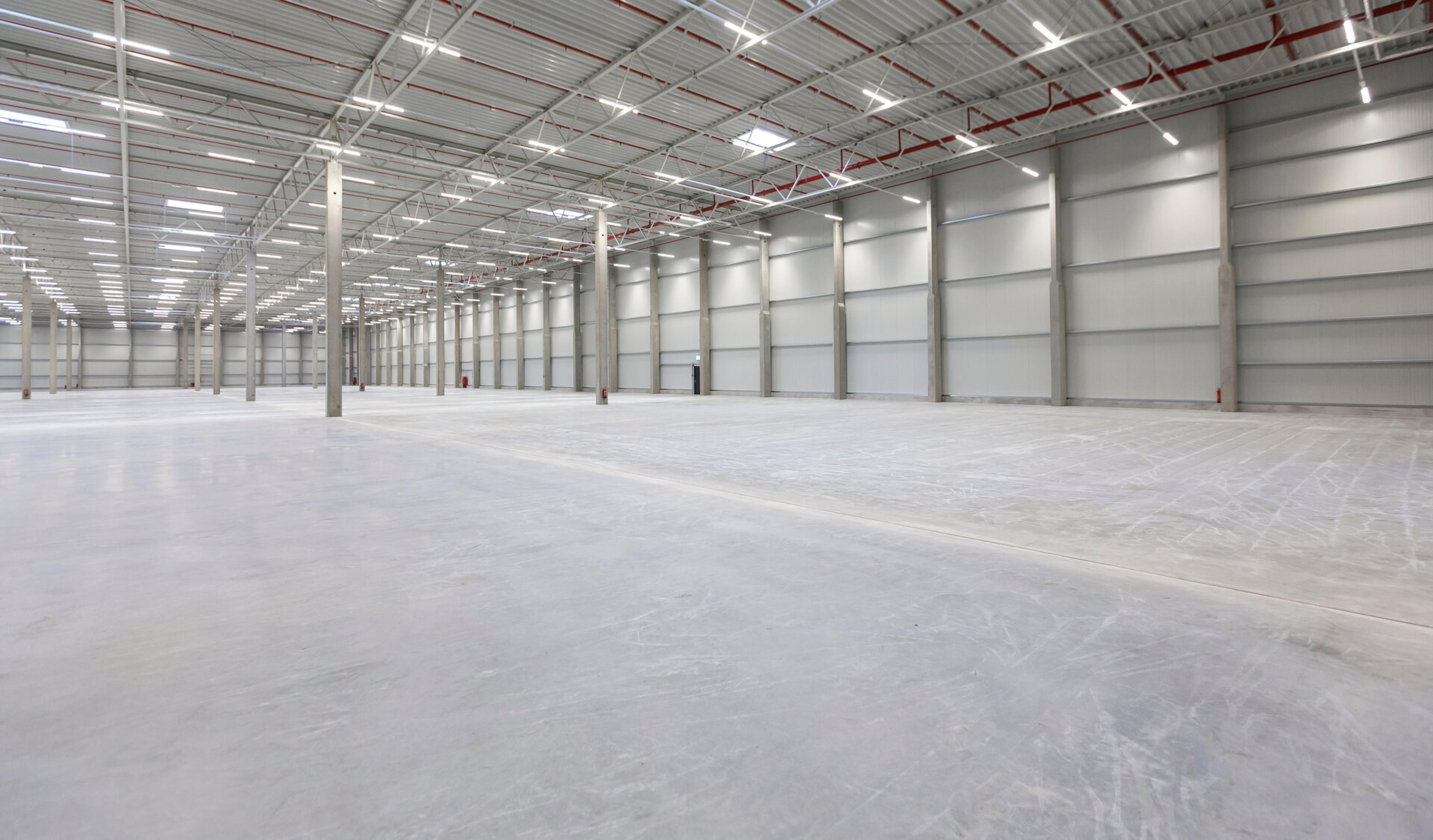
• An empty warehouse with grey wall panels, a concrete floor and overhead lighting
Insight

Commercial tenancy law for international tenants

What international companies should consider regarding lease terms, indexation, non-compete protection and formal requirements, and which clauses offer the greatest scope for negotiation in German commercial leases.

| Reading time 2 min. | Author: Martin Neupert

Commercial tenancy agreements offer a great deal of flexibility, but require careful attention. Just a few clauses and a formal requirement determine the costs and the duration of the tenancy.

The key clauses

The term of a commercial tenancy agreement determines how long the premises are secured and how flexibly the tenant can respond to changes. Extension options, notice periods and special rights of termination should therefore be aligned with business planning in advance. The same applies to the rent. Indexation clauses shift the inflation risk, but they must clearly specify when and to what extent an adjustment will take place.

A second key focus is on the ongoing property costs. Maintenance, repairs, operating costs and measures required by the authorities are often passed on in full to the tenants. It is worth making a clear distinction here between the let area, the communal areas and the building structure. Finally, protection against competition, restrictions on subletting and the right to admit affiliated companies or a new tenant ensure the property’s economic viability throughout the entire term of the lease.


The formal requirements trap in long-term contracts

Since the enactment of the Fourth Bureaucracy Relief Act, commercial tenancy agreements with a term of more than one year need only be in writing. This has applied to new contracts since 1 January 2025 and to existing contracts since 1 January 2026. Whilst this has simplified the previous requirement for the written form, it has not resolved the practical problem. Essential terms of the contract and subsequent amendments must still be documented in a permanently legible statement that can be attributed to the parties. If this is lacking, the contract is deemed to have been concluded for an indefinite period despite any agreed fixed term and may be terminated by giving notice in the normal manner. 

Informal agreements regarding floor space, rent levels, the term of the lease or alterations – which are not fully recorded anywhere – are also particularly risky. Consistent management of addenda and documentation therefore protects both tenants and landlords from the risk of unexpected early termination.

Bargaining leverage for tenants

The best negotiating position is usually before the lease is signed and before any major fit-out work begins. Rent-free periods at the start, landlord contributions, graduated rent payments or a delayed start date can significantly reduce the start-up costs of a new location. In the case of long-term leases, special termination rights should also be considered for specific events, such as the failure to obtain necessary approvals, a delay in handover, or structural changes within the group.

Subletting, use by affiliated companies, signage, alterations and the condition of the premises upon return are of particular importance for operational flexibility. The more precisely the planned operations are described, the easier it is to negotiate these points. International tenants should also clarify at an early stage what security is required and whether guarantees from the foreign parent company will be accepted.

About the author

Martin Neupert
Martin Neupert
Partners · Property and Procurement
Get in touch

Martin Neupert has been advising investors and companies on property and company law for over 30 years, supporting them in commercial property transactions, property development projects and tenancies.

A winding elevated road on concrete pillars alongside an empty carriageway beneath the clouds

Commercial tenancy agreement – before signing?

Maxfeld.legal reviews and negotiates your commercial tenancy agreement, from the term and indexation to the formal requirements.

Get in touch

Frequently asked questions about commercial tenancy agreements

No, because commercial rents are largely subject to free negotiation. The social protection against eviction that applies to residential tenancies does not apply here.

If contracts with a term of more than one year do not comply with the written form requirement introduced by the Fourth Red Tape Reduction Act, the contract is deemed to be of indefinite duration and may be terminated early (Sections 578(2) and 550 of the German Civil Code (BGB)).

That is a matter for negotiation. Obligations are often transferred to the tenant. However, the scope and limits of this transfer should be clearly defined.

The rent is linked to an index – usually the Consumer Price Index – and is adjusted in line with its movements.

This is only possible if the tenancy agreement permits it. A right to sublet or to take on a new tenant should be negotiated.

Contact

Get in touch

Send us a message. We will get back to you within one working day.

Maxfeld.legal

Rechtsanwaltsgesellschaft mbH
Leipziger Platz 21
90491 Nuremberg

Brochure

Request brochure

Enter your contact details. We will send you the brochure by email right away.